Protease for Blood and Offal Hydrolysis Before Meal Production
Blood and soft offal can push a rendering line hard: fast viscosity rise, uneven heat transfer, variable discharge behavior, and a meal stream that changes with every raw-material shift. Rendara supplies protease solutions for rendering plants that need controlled protein breakdown before meal production — without adding complexity to an already hot, high-throughput process.
As an enzyme supplier for rendering plant hydrolysis, Rendara focuses on the operating window: where the enzyme is introduced, how it behaves under plant conditions, and what it helps improve downstream.
Request a quote using the on-site form
Where protease fits in the rendering workflow
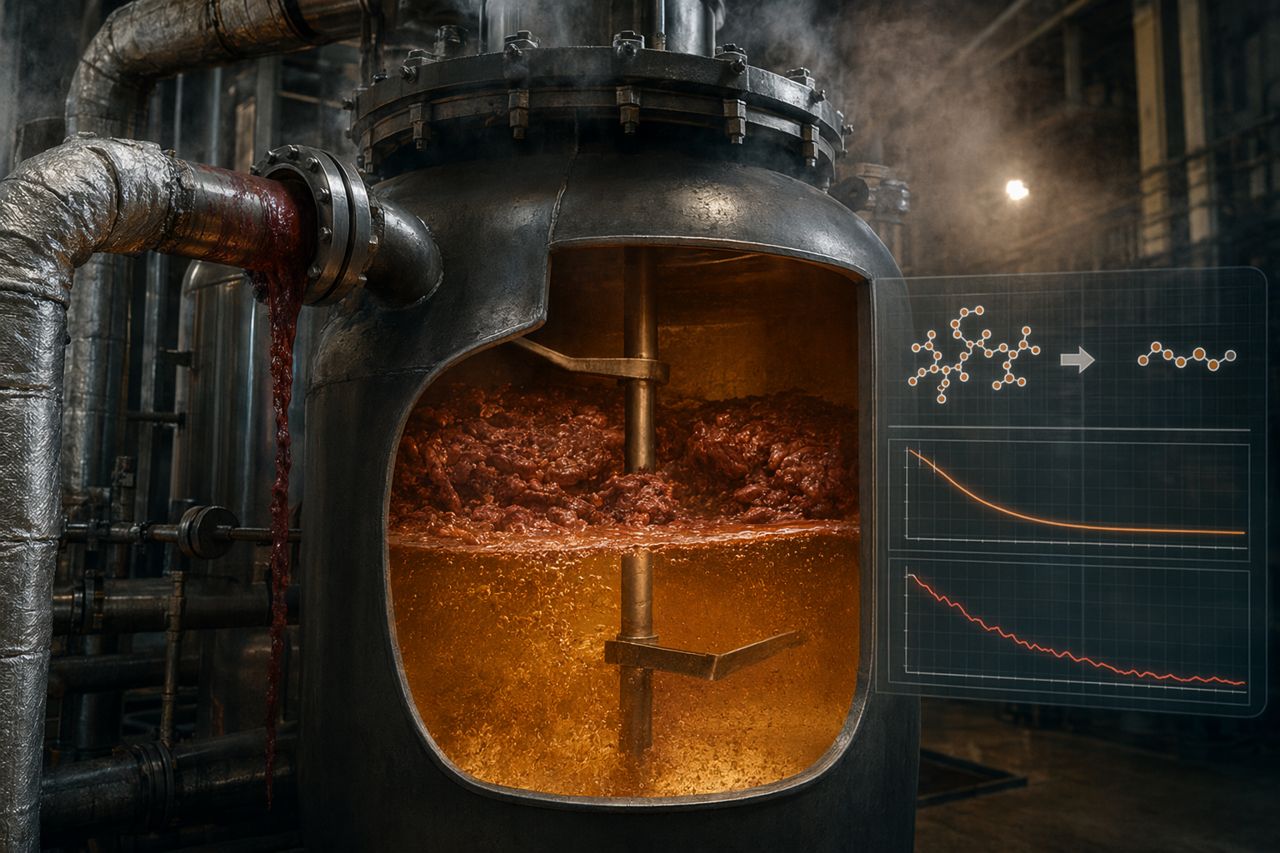
Protease is used to start targeted hydrolysis before the meal line carries the full burden of variable blood and offal protein structure. In the right process window, it helps break dense protein matrices into a more manageable hydrolysate stream.
Typical integration points include:
- Blood and offal collection or blend tanks
- Pre-cooker conditioning zones
- Hydrolysis tanks ahead of separation
- Wet-rendering lines where viscosity control affects pumping and transfer
- Decanter or centrifuge feed preparation where cleaner phase behavior is required
Rendara does not position enzyme addition as a generic additive step. We help plants identify whether protease belongs before heat treatment, during a controlled hold, or in another point where residence time, temperature, pH, and solids loading can be managed.
What plant teams are trying to control
Lower viscosity before the line becomes hard to move
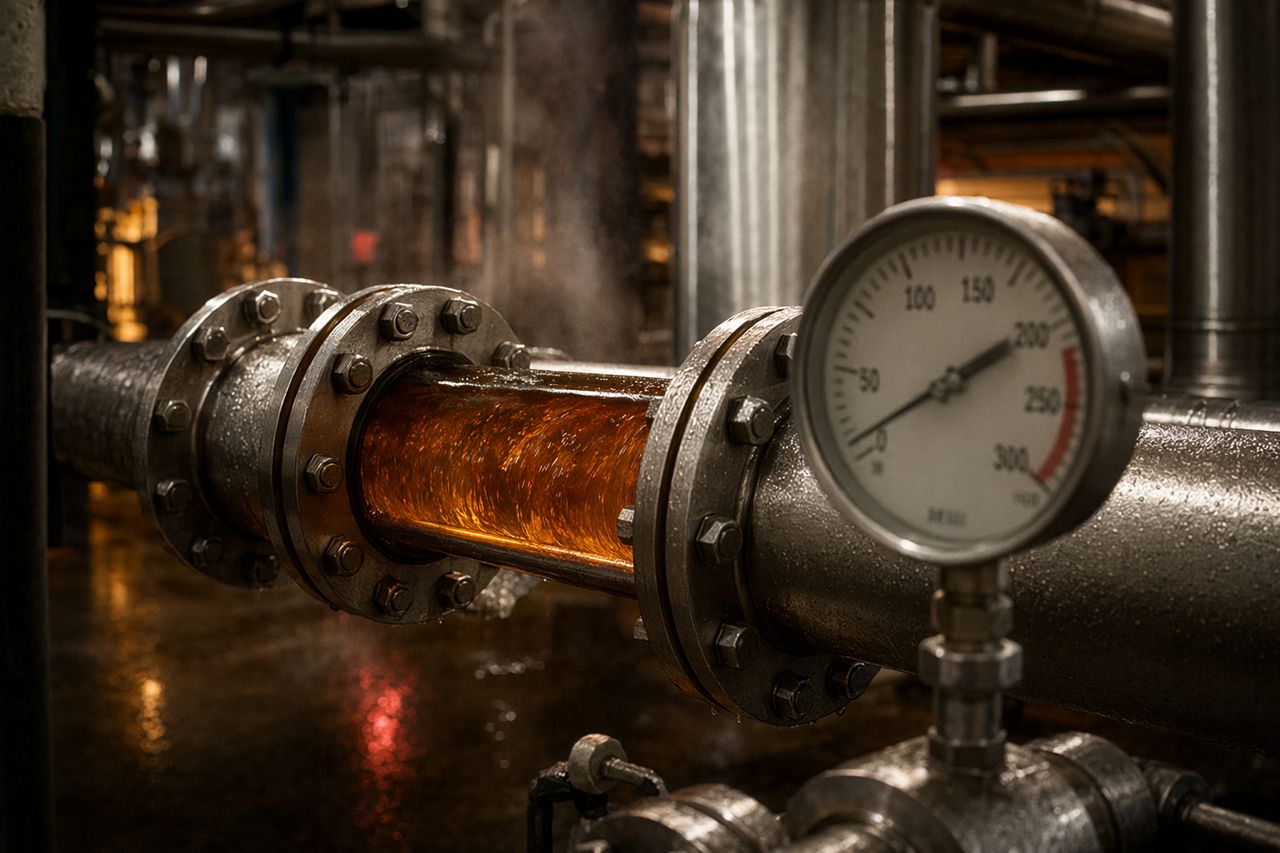
Blood-rich and soft offal streams can thicken quickly. When the stream becomes harder to pump, operators may see slower transfers, higher motor load, uneven tank turnover, and more frequent intervention. Protease can help open protein structure and support a more pumpable liquor when applied within a suitable hydrolysis window.
More consistent protein breakdown
Rendering plants often deal with raw material variation by adjusting heat, hold time, and mechanical handling. Protease gives the process another control lever, helping create a more predictable hydrolysis profile before meal production.
Cleaner separation behavior
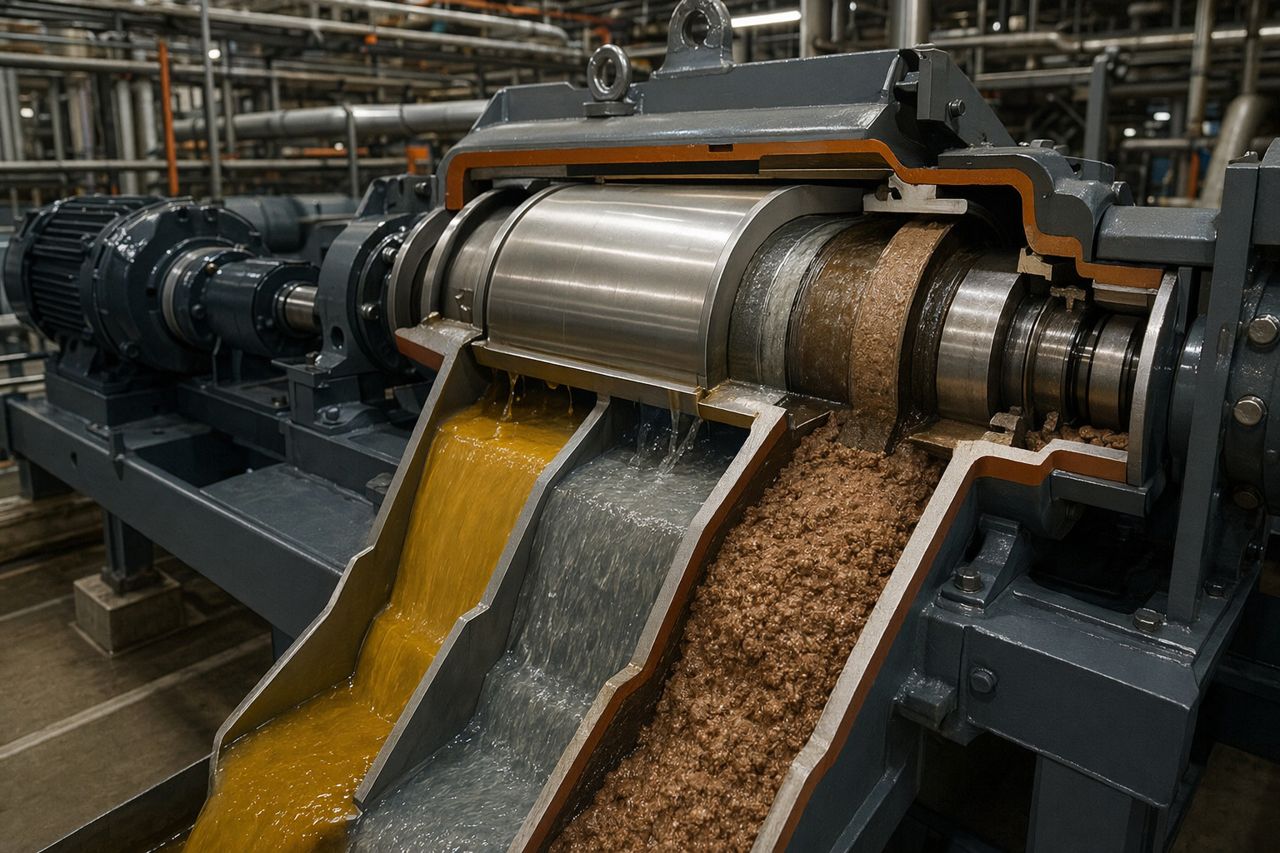
When protein breakdown is poorly controlled, fat-water-solids separation can become less stable. A better-conditioned stream can support clearer separation targets through decanters, centrifuges, and downstream handling equipment.
Improved meal consistency
Meal quality depends on more than the dryer. Upstream hydrolysis affects digestibility, discharge behavior, moisture removal, and batch-to-batch uniformity. Rendara protease selection is built around the meal outcome your plant is trying to protect.
Rendering-specific value from protease hydrolysis
Rendara protease programs are selected for practical plant outcomes:
- Better pumpability of blood and offal blends
- Reduced handling strain in transfer lines and tanks
- More controlled hydrolysis before cooking or separation
- Improved feed consistency into decanters or centrifuges
- Support for higher yield recovery from protein-rich streams
- More uniform meal output when raw material quality shifts
- Less operator time spent fighting thick, uneven batches
- Better alignment between hydrolysis, separation, and drying capacity
Designed around real rendering constraints
Rendering plants are not laboratory systems. They run hot, variable, and under pressure to keep material moving. Rendara evaluates protease fit against plant-floor realities, including:
- Raw material mix: blood, red offal, soft tissue, trim, and mixed viscera
- Solids loading and expected viscosity rise
- Available tank volume and residence time
- Existing cooker and heat-exchanger limits
- pH behavior of the actual stream
- Separation equipment type and feed tolerance
- Meal specification targets
- Cleaning schedule and downtime sensitivity
The goal is not maximum breakdown at any cost. The goal is controlled hydrolysis that supports throughput, separation, and meal performance.
How Rendara supports selection and trialing
1. Process review
Tell us where blood and offal enter the line, where viscosity becomes a problem, and what equipment is downstream. We look for the point where protease can create operational value without disrupting the rest of the process.
2. Enzyme matching
Rendara recommends a protease profile based on substrate type, thermal exposure, pH range, residence time, and your preferred hydrolysis target.
3. Plant trial plan
We help define a practical trial structure using plant-observable outcomes: pump behavior, tank turnover, separation clarity, discharge consistency, meal uniformity, and operator feedback.
4. Optimization
Once the trial confirms direction, the program can be adjusted around actual line performance — not generic assumptions.
Common use cases
Blood hydrolysis before meal production
Blood proteins can create heavy viscosity and uneven thermal behavior. Protease can help condition the stream before cooking, supporting smoother transfer and more consistent downstream handling.
Offal hydrolysis for mixed rendering streams
Soft offal can vary heavily by day, source, and hold time. Protease helps reduce variability by supporting a more controlled breakdown profile before separation and drying.
Pre-treatment before decanter or centrifuge separation
When decanter feed is too inconsistent, separation can suffer. A controlled hydrolysis step can help create a more uniform feed stream and support cleaner phase behavior.
Throughput recovery in constrained lines
If a line is limited by pumping, tank turnover, or unstable discharge rather than by dryer capacity alone, protease may help remove a bottleneck upstream.
What to prepare before requesting a quote
For a practical recommendation, send the Rendara team:
- Raw material type and approximate blend pattern
- Current pain point: viscosity, yield, separation, digestibility, odor load, or downtime
- Process sequence from receiving through meal production
- Where heat is applied and where a controlled hold is possible
- Target outcome for the trial
- Any temperature, pH, or equipment constraints operators must work around
Request a quote
If blood and offal variability is costing throughput, pumpability, separation control, or meal consistency, Rendara can help you evaluate a protease program for your rendering line.
Use the on-site request form and include your process details. A Rendara technical contact will review the application and respond with a practical starting recommendation.
FAQ
Is protease added to replace cooking?
No. Protease is used as a controlled hydrolysis aid. Cooking, separation, drying, and sanitation remain core rendering steps.
Can protease help with thick blood streams?
Yes, when the process window is suitable. Protease can help reduce protein structure that contributes to heavy viscosity, supporting better pumpability and transfer.
Will it work with mixed offal?
Mixed offal is a common target, but the right enzyme profile depends on the blend, solids loading, temperature exposure, and residence time.
What is the main business case?
Most plants evaluate protease for one or more of these outcomes: smoother pumping, improved hydrolysis control, cleaner separation, better yield recovery, more consistent meal output, and fewer process interruptions.