Keratinase Built for Feather Hydrolysis Work
Feathers are not ordinary protein material. Their keratin structure resists breakdown, holds water, drives viscosity, and can make downstream separation harder than it needs to be. Rendara supplies keratinase for rendering plants that need a practical enzyme tool for controlled feather hydrolysis — not lab language, not vague claims, but plant-floor support for throughput, yield recovery, and process control.
If your operation is pushing feather meal value, managing thick hydrolysate, or trying to reduce harsh processing pressure on the line, keratinase can be evaluated as part of a controlled hydrolysis step.
Rendara is an enzyme supplier for rendering plant hydrolysis focused on rugged, B2B process fit.
Why Feather Hydrolysis Needs Keratinase
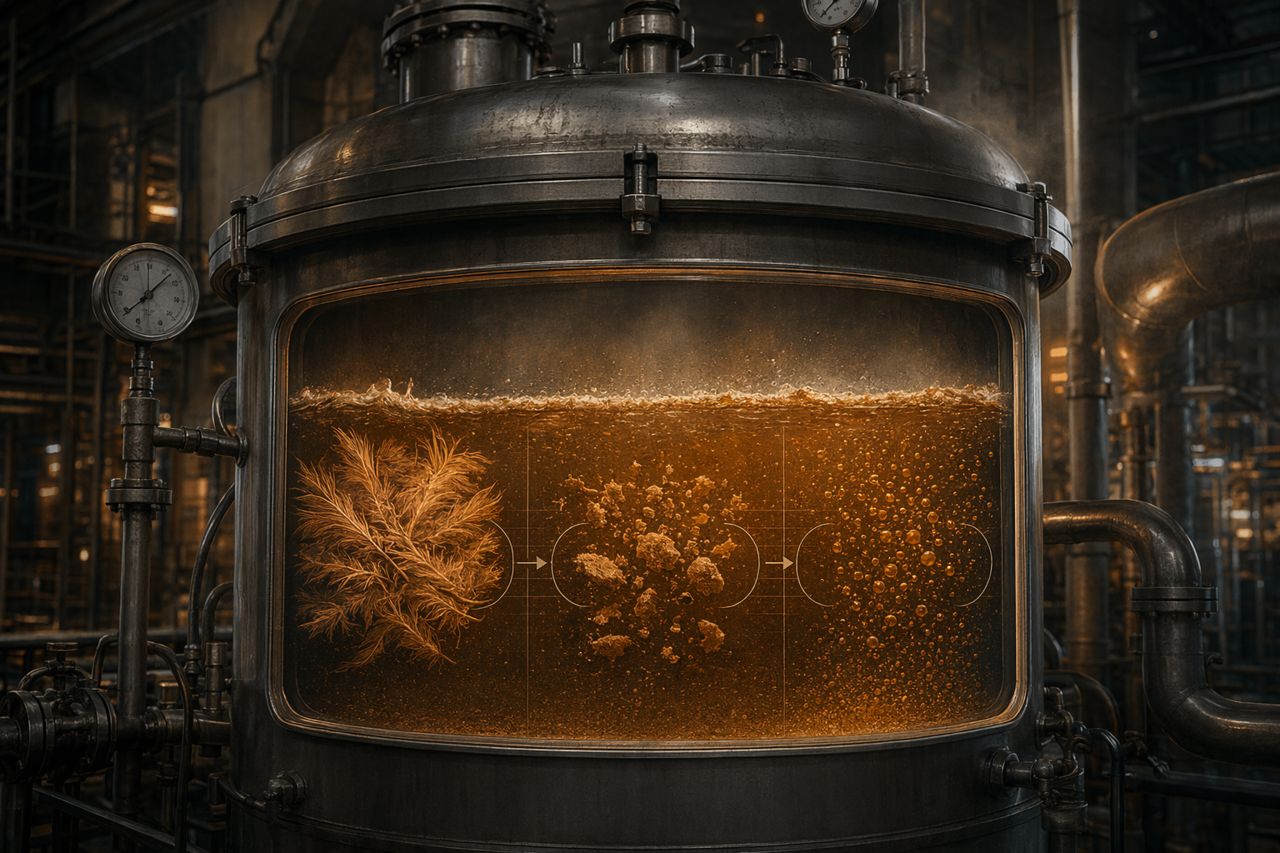
Feather material is rich in keratin, a tough structural protein built to resist heat, moisture, and mechanical breakdown. Standard rendering conditions can reduce particle size and cook the material, but resistant keratin fractions may remain difficult to access.
Keratinase helps target those resistant protein structures so the process can move toward:
- More complete feather protein conversion
- Improved hydrolysate handling
- Better access to recoverable nutritional value
- Reduced mass of poorly processed keratin-rich residue
- More consistent feather meal quality targets
- Cleaner integration with separation and drying steps
The value is not just in breakdown. The value is controlled breakdown that fits the plant’s existing flow.
Where Keratinase Fits in the Rendering Line
Keratinase is typically considered where feather material has already been prepared for reaction and where temperature, retention, mixing, and slurry behavior can be managed. Rendara works with plant teams to understand the practical constraints before recommending an enzyme approach.
Common process points for evaluation
- After grinding or size reduction
- During controlled hydrolysis tank operation
- Before final drying, concentration, or meal finishing
- In process layouts where viscosity reduction can improve transfer and handling
- In systems where separation performance affects final yield recovery
The exact fit depends on your raw material profile, feather load, cooker strategy, tank design, retention window, and downstream equipment.
Operational Problems Keratinase Can Help Address
Resistant feather structure
Feather keratin can remain intact or partially intact when the process is not tuned for enzymatic access. Keratinase helps open up resistant protein structures so hydrolysis can proceed with more control.
High viscosity hydrolysate
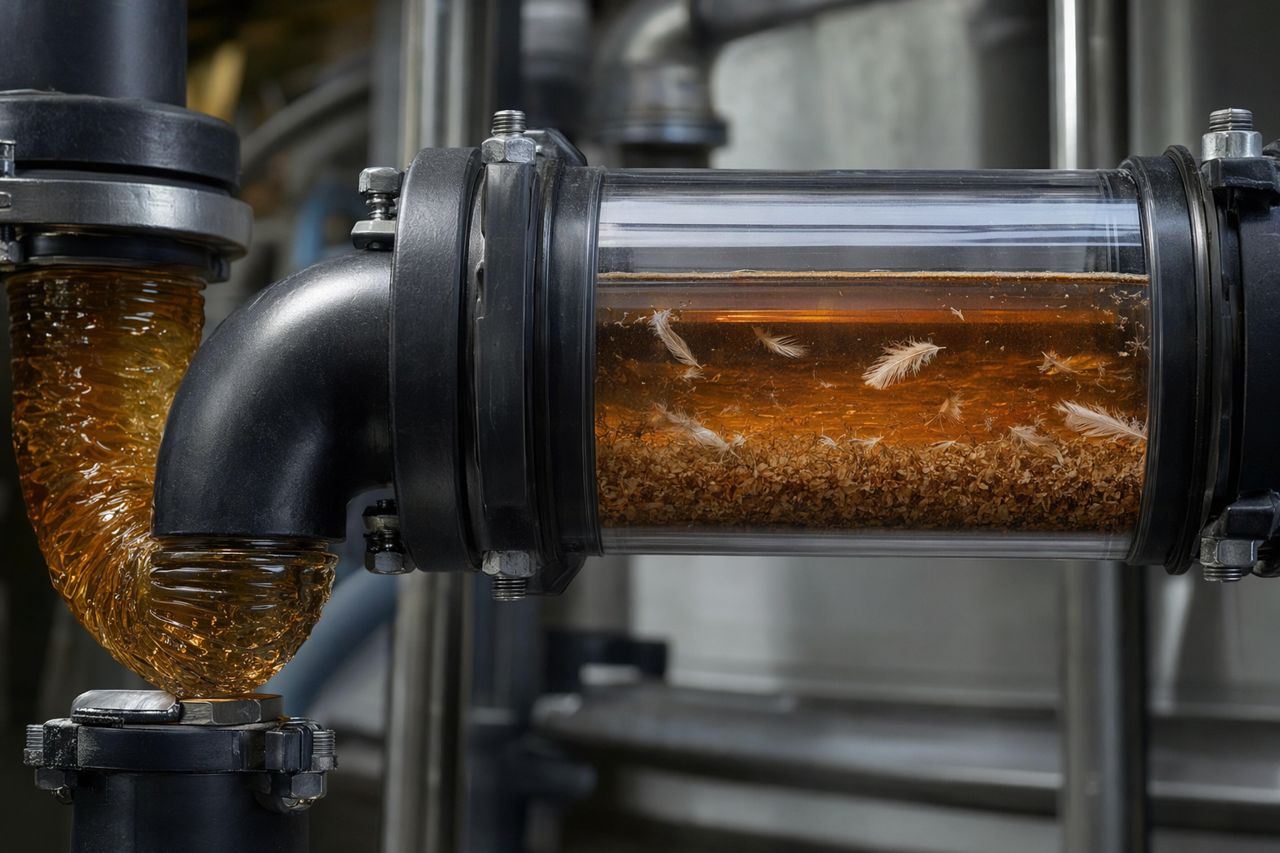
Thick feather slurry can strain pumps, slow transfers, reduce heat exchange efficiency, and make downstream control harder. Enzymatic hydrolysis can support a more manageable liquor profile when applied under suitable process conditions.
Inconsistent meal quality
Variable feather input, uneven cooking, and incomplete hydrolysis can show up as inconsistent finished meal. Keratinase gives the plant another lever for improving process repeatability.
Separation drag
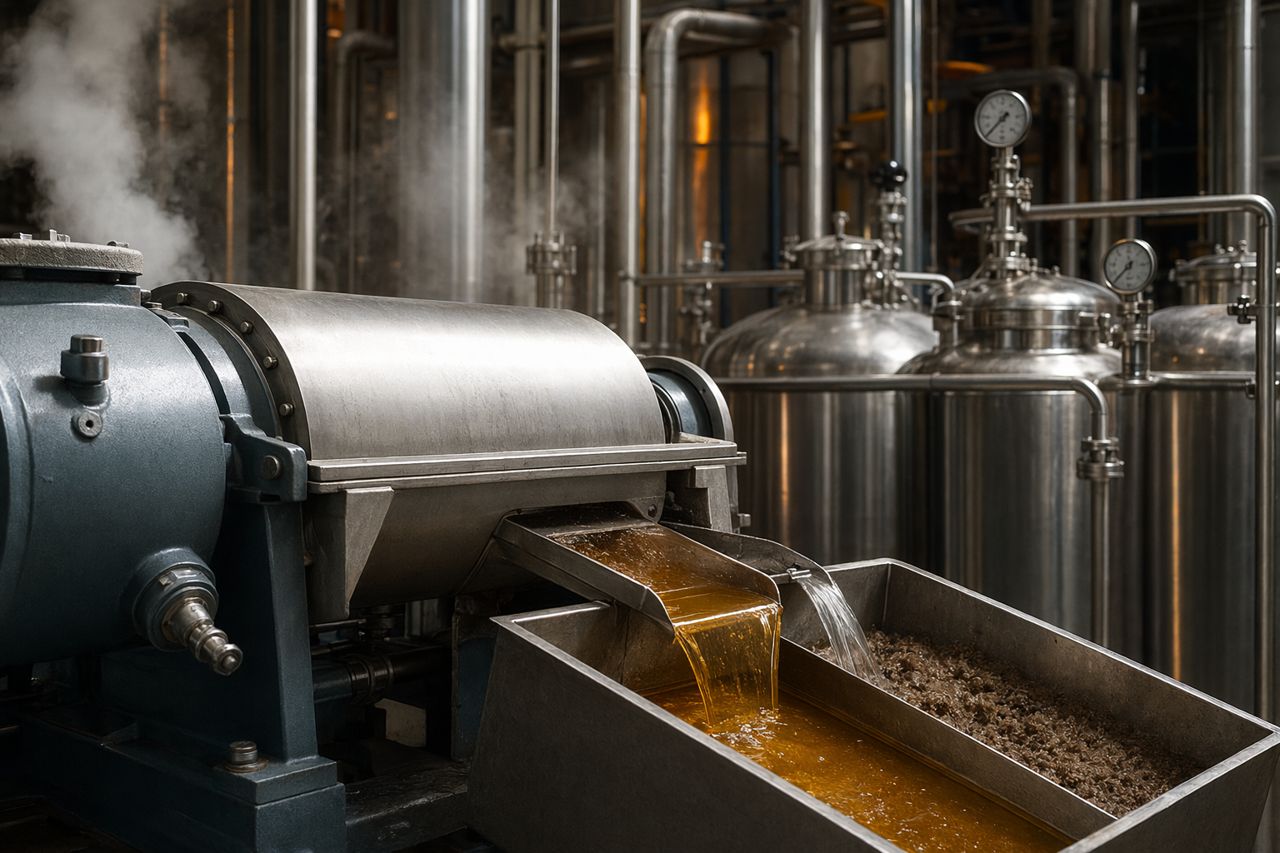
When protein, fat, water, and solids do not separate cleanly, recovery suffers and rework increases. Better hydrolysis control can support cleaner downstream behavior, especially where slurry structure is part of the bottleneck.
Excessive thermal burden
Some plants compensate for resistant feather material by leaning harder on heat, pressure, or retention. Keratinase may allow a more targeted hydrolysis strategy, helping the plant evaluate whether process severity can be better balanced against throughput and product targets.
What Rendara Focuses On
Rendara does not sell generic enzyme language. We help rendering plants evaluate keratinase in terms your production team can act on.
Process fit
We look at where the enzyme can be added, how it will mix, what process conditions it must tolerate, and how it affects the next unit operation.
Hydrolysis control
The goal is not uncontrolled protein destruction. The goal is the right degree of keratin breakdown for your feather meal specification, handling requirements, and recovery objectives.
Throughput protection
An enzyme program should support the line, not create a new bottleneck. Rendara evaluates dosing strategy, contact time, mixing, and operating limits with uptime in mind.
Yield recovery
Better access to keratin-rich protein fractions can support improved value recovery from feather streams. For rendering plants, the business case is built around usable output, handling efficiency, and consistent finishing.
Separation behavior
Hydrolysis changes the way feather slurry moves, settles, pumps, and dries. Rendara keeps downstream effects in view from the start.
Keratinase Buyer Checklist for Rendering Plants
Before selecting a keratinase supplier, plant teams should ask direct operational questions:
- Does the enzyme target keratin-rich feather material?
- Can it be evaluated under our actual process temperature and retention constraints?
- Will it mix effectively in our slurry conditions?
- How will it affect viscosity and transfer performance?
- What changes might downstream separation or drying see?
- Can the supplier support quote sizing around real throughput and raw material flow?
- Is the recommendation built for a rendering plant, not a generic food or feed brochure?
Rendara builds recommendations around those questions.
Typical Plant Goals
Rendering teams approach Rendara when they want to improve one or more of the following:
- Feather meal value from keratin-rich feedstock
- Hydrolysate consistency before drying
- Pumpability and slurry movement
- Cooker or hydrolysis tank performance
- Cleaner fat-water-solids separation
- Lower process variability between raw material loads
- Better line confidence during high feather volume runs
Working With Rendara
Rendara supplies keratinase for feather hydrolysis with practical B2B support. To prepare a quote, we typically ask for basic operating context:
- Feather stream volume and production schedule
- Current hydrolysis or cooking approach
- Target finished product characteristics
- Key bottlenecks: viscosity, yield, separation, odor load, drying, or uptime
- Available addition points and mixing conditions
- Packaging and delivery requirements
From there, Rendara can recommend a keratinase supply path and evaluation plan suited to your plant.
Request a Quote for Keratinase
If your rendering plant is working to improve feather hydrolysis, reduce handling drag, or recover more value from keratin-rich material, Rendara can help you evaluate the right enzyme supply option.
Use the on-site form below to request a quote. Include your feather throughput, current process layout, and the main bottleneck you want to solve.