What Actually Drives Feather Meal Value: Hydrolysis, Consistency and Handling
Feather meal value is not set by feathers alone. It is built — or lost — inside the rendering process.
For an animal rendering plant, the commercial quality of feather meal depends on how tightly the plant controls hydrolysis, heat exposure, moisture removal, viscosity, odor load, and downstream handling. When those variables drift, the final meal can become inconsistent, hard to dry, difficult to convey, or less attractive to feed formulators looking for dependable protein inputs.
Rendara supplies enzyme solutions for rendering plant hydrolysis programs where the goal is not lab novelty. The goal is practical plant performance: controlled breakdown, cleaner flow behavior, better yield recovery, and more predictable feather meal output.
The value of feather meal starts with controlled hydrolysis
Raw feathers are structurally tough. Their keratin-rich composition resists simple mechanical and thermal breakdown. Cooking alone can open the structure, but uncontrolled treatment can create wide variability in digestibility, color, odor, moisture behavior, and final meal consistency.
That is why hydrolysis control is central to feather meal value.
In a rendering environment, hydrolysis must be strong enough to open the feather structure, but controlled enough to avoid over-processing, excessive degradation, or unstable slurry behavior. The best results come from balancing:
- Grind size and raw material uniformity
- Time under heat and pressure
- Moisture distribution
- Agitation and tank residence time
- Enzyme contact and reaction control
- Separation and drying conditions
An enzyme supplier for rendering plant hydrolysis should understand that the plant is not optimizing a beaker. It is managing tons of variable raw material through grinders, cookers, tanks, decanters, dryers, condensate systems, and odor-control equipment — every shift.
Driver 1: Consistent breakdown, not maximum breakdown
More hydrolysis is not always better.
For feather meal, the target is a stable operating window where the feather matrix is opened enough to support digestibility and handling, while preserving a meal profile that is dryable, conveyable, and commercially consistent.
When hydrolysis is uneven, plants may see:
- Dense feather fractions that resist drying
- Wet pockets in meal discharge
- Higher recirculation or rework
- Variable particle texture
- Unstable odor load from overcooked or stagnant material
- Wider differences between production lots
Controlled enzyme-assisted hydrolysis can help smooth the breakdown curve. Instead of relying only on aggressive thermal treatment, plants can use enzyme action to support targeted structural opening before or during defined process stages.
The buyer value is straightforward: less process drift, more repeatable output, and a better foundation for customer confidence.
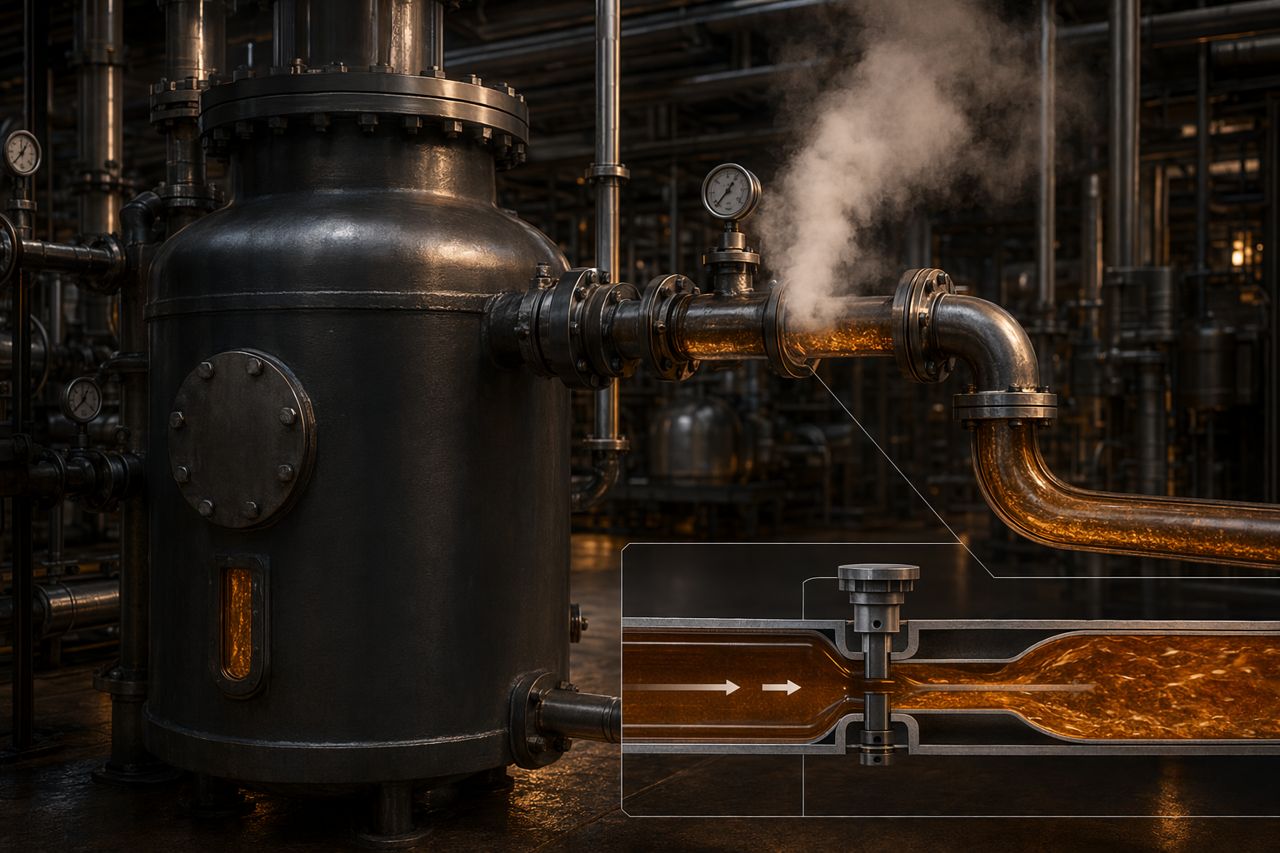
Driver 2: Viscosity control through the wet side
Feather hydrolysate behavior affects the whole line.
If the slurry thickens, gels, or moves unevenly, pumps work harder, heat transfer becomes less predictable, tanks hold material differently, and separation equipment can lose stability. High or inconsistent viscosity also affects dryer loading and can increase cleaning pressure on the plant crew.
A well-selected enzyme program can support better flow properties by helping reduce resistant protein structure before it creates bottlenecks downstream.
Operational benefits may include:
- Smoother movement from hydrolysis tank to separation
- More stable pump load
- Better heat transfer in controlled stages
- Reduced risk of dead zones or heavy buildup
- Easier management of solids movement
- More consistent dryer feed behavior
For plant managers, viscosity is not an abstract quality metric. It is a throughput variable. When slurry behavior is predictable, the line is easier to run.
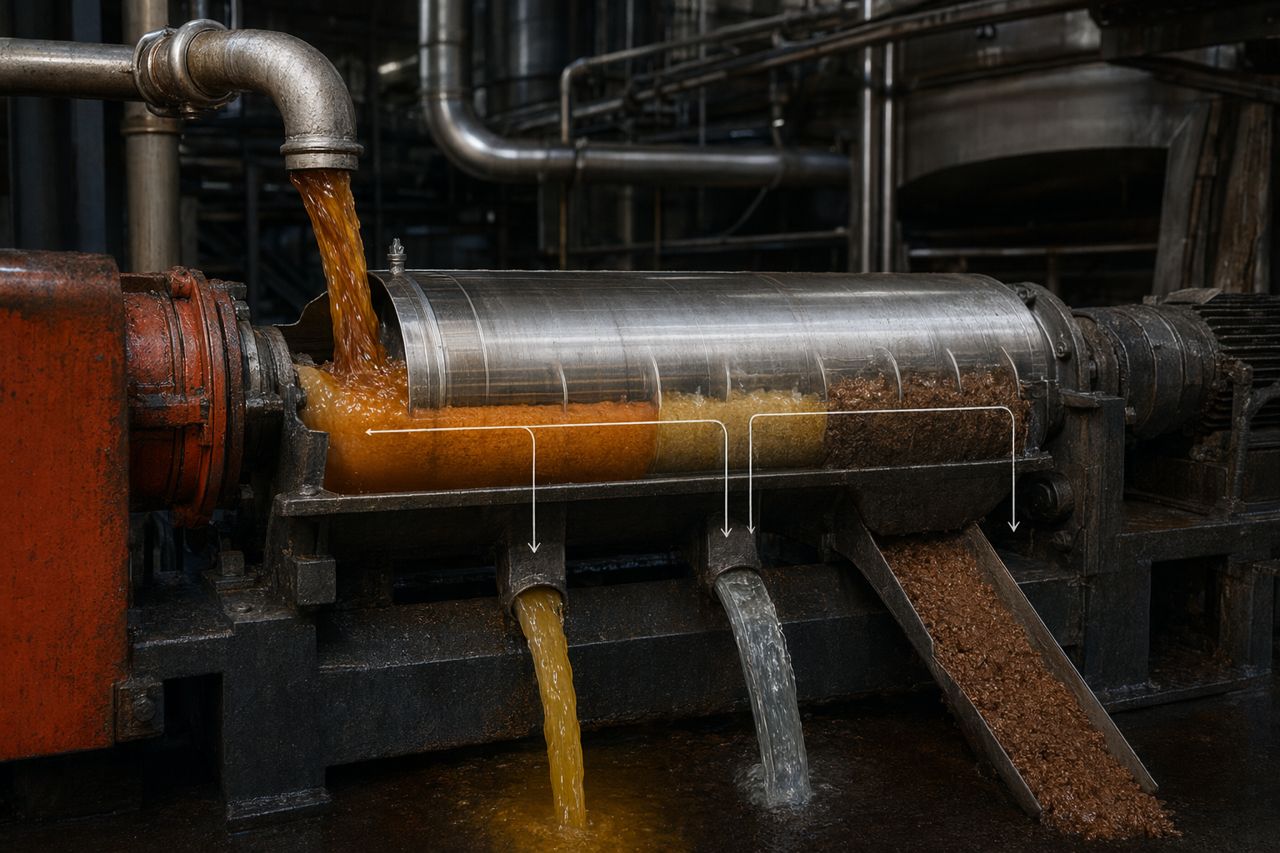
Driver 3: Cleaner separation of fat, water, and solids
Feather meal economics are tied to separation quality.
Poorly controlled hydrolysis can produce streams that resist clean phase separation. Fine suspended solids, emulsified fat, unstable protein fragments, and uneven moisture distribution can complicate decanter performance and downstream recovery.
A controlled hydrolysis strategy supports cleaner separation by keeping the process inside a defined reaction window. The target is not to liquefy everything. The target is to create a hydrolysate stream that moves, separates, and dries with less variation.
Cleaner separation can contribute to:
- Better solids capture
- More stable fat-water-solids split
- Lower load on wastewater and condensate handling
- Reduced carryover into non-target streams
- More predictable meal moisture control
- Less operator adjustment during feedstock changes
For rendering plants processing variable feather loads, this stability matters. The raw material will change. The process control strategy has to absorb that change without losing the line.
Driver 4: Drying behavior and final moisture consistency
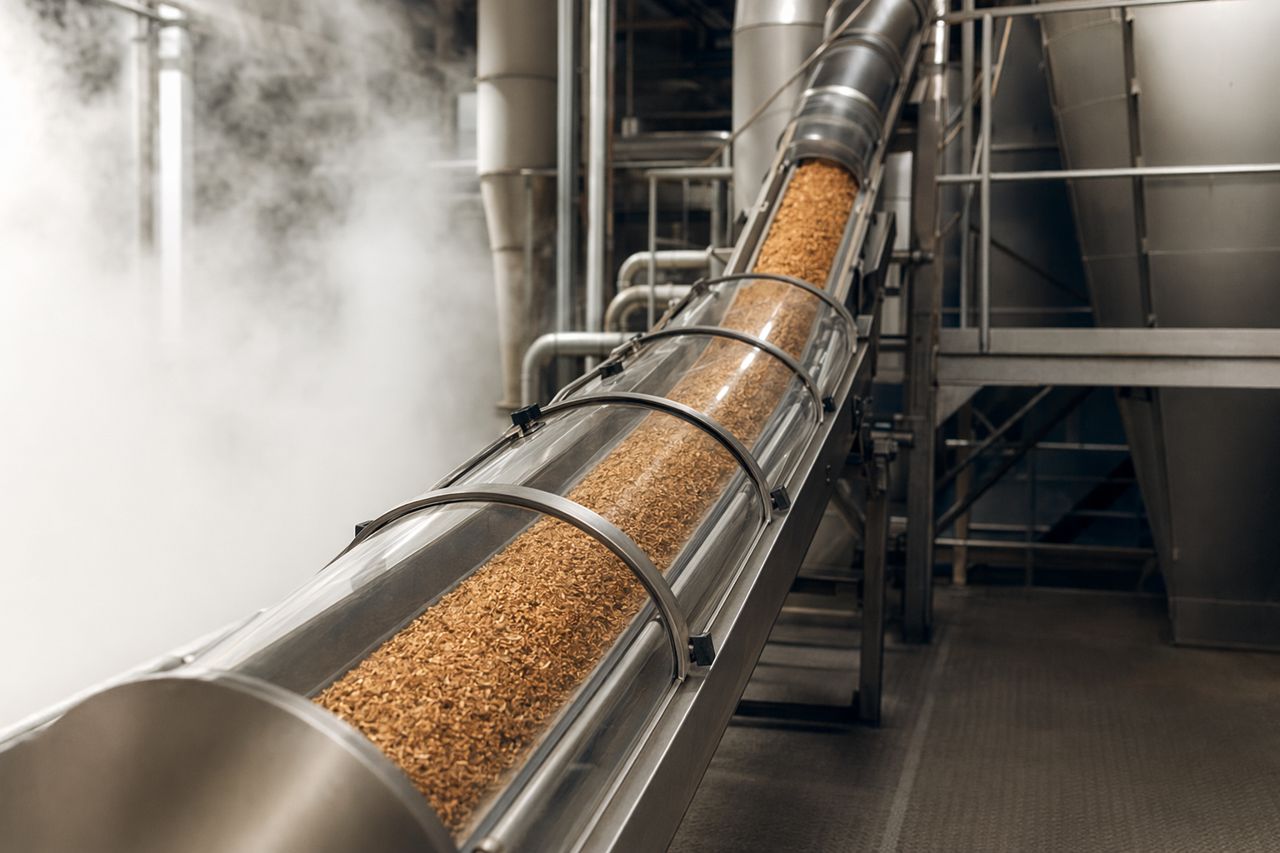
Feather meal value depends heavily on final handling. Meal that leaves the dryer inconsistent can create problems in cooling, conveying, storage, bulk loading, and customer acceptance.
Hydrolysis directly influences drying behavior. If material enters drying with uneven particle condition, wet cores, or heavy clumps, the dryer has to compensate. That can lead to higher heat exposure, longer residence, darker meal, higher odor, and inconsistent discharge.
A controlled enzyme-assisted process can help create a more uniform wet feed to the dryer. That supports:
- More predictable moisture removal
- Lower risk of overdried and underdried fractions in the same run
- Cleaner conveying behavior
- Reduced clumping in meal handling
- More stable finished meal texture
- Better lot-to-lot consistency
Dryer performance is one of the clearest places where upstream control becomes downstream value.
Driver 5: Odor load management tied to process discipline
Odor in feather processing is often treated as an end-of-pipe issue. But a meaningful portion of odor load is created upstream by time, temperature, stagnation, and uncontrolled breakdown.
When hydrolysis is poorly controlled, operators may compensate with longer heat exposure or harsher processing. That can increase volatile load, stress condensate systems, and push more burden onto scrubbers, oxidizers, and building ventilation.
Enzyme-supported hydrolysis is not an odor-control system by itself. But it can support a tighter process window, which may reduce the need for excessive thermal severity and help keep wet-side material moving more predictably.
The practical plant question is simple: can the process hit the required feather breakdown target without pushing odor generation harder than necessary?
Driver 6: Lot-to-lot consistency for feed customers
Feed buyers do not only evaluate a feather meal lot once. They look for repeatability.
If the meal performs differently from load to load, the plant risks price pressure, additional testing, tighter customer scrutiny, or reduced confidence from formulators. Consistency becomes a commercial asset.
The most important consistency drivers include:
- Stable hydrolysis profile
- Controlled moisture endpoint
- Predictable particle texture
- Low contamination from unwanted carryover
- Clean storage and loadout behavior
- Documented process control
Rendara works with rendering operations that want enzyme programs aligned with these commercial realities. The purpose is not to add complexity. It is to give the plant another control lever in a process where raw material variability is unavoidable.
Where enzyme selection matters
Not every protein-processing enzyme is suitable for a rendering plant environment. Feather hydrolysis requires a solution that fits the line, not a generic catalog item.
Important selection questions include:
- Does the enzyme support keratin-rich substrate breakdown under realistic plant conditions?
- Can it fit the plant’s existing grind, cook, hydrolysis, and separation sequence?
- Does it improve flow behavior without creating downstream separation problems?
- Can the process window be controlled by operators shift after shift?
- Does it support throughput rather than slowing the line?
- Can the supplier help evaluate performance in terms the plant already tracks?
The right enzyme program should be judged by operational outcomes: flow, separation, moisture behavior, yield recovery, odor load, uptime, and customer-ready meal consistency.
Practical performance indicators to watch
When evaluating feather meal hydrolysis improvements, plants should focus on production indicators that connect directly to value.
Useful plant-floor indicators include:
- Slurry pumpability through the wet side
- Tank cleanout frequency and buildup pattern
- Decanter stability and solids capture behavior
- Dryer loading consistency
- Finished meal moisture variation
- Clumping, bridging, and conveying behavior
- Odor events during hydrolysis and drying
- Rework, recirculation, or off-spec handling
- Customer feedback on meal consistency
These indicators tell the real story. A successful hydrolysis program should make the line easier to control, not just create a different lab result.
The bottom line: feather meal value is made in the operating window
Feather meal value is driven by control. The plant that can convert variable feather raw material into a consistent, dryable, conveyable, customer-ready meal has a stronger commercial position.
Enzyme-assisted hydrolysis can help rendering plants improve that control when it is selected and applied around actual plant conditions: heat, pressure, residence time, viscosity, separation, drying, odor load, and uptime.
Rendara supplies enzyme solutions built for rendering plant hydrolysis programs where the target is clear: controlled breakdown, cleaner handling, stronger yield recovery, and more predictable feather meal value.
Request a quote
If your plant is evaluating feather hydrolysis performance, Rendara can help review the process window and recommend an enzyme approach matched to your line.