Blood Meal Processing Challenges: Coagulation, Drying Load and Protein Quality
Blood meal can be a high-value protein stream, but it is unforgiving. Small shifts in raw blood handling, coagulation temperature, residence time, viscosity, and dryer control can show up fast as low recovery, darker color, off-odor, poor flowability, or inconsistent protein quality.
For an animal rendering plant, the issue is not simply “dry the blood.” The issue is controlling a protein-rich stream that wants to thicken, foul, foam, scorch, and separate unevenly when the process window is not stable.
Rendara supplies enzyme solutions for rendering plant hydrolysis where controlled protein breakdown can help plants manage viscosity, improve pumpability, support separation, and reduce avoidable load on downstream equipment.
Where blood meal processing gets difficult
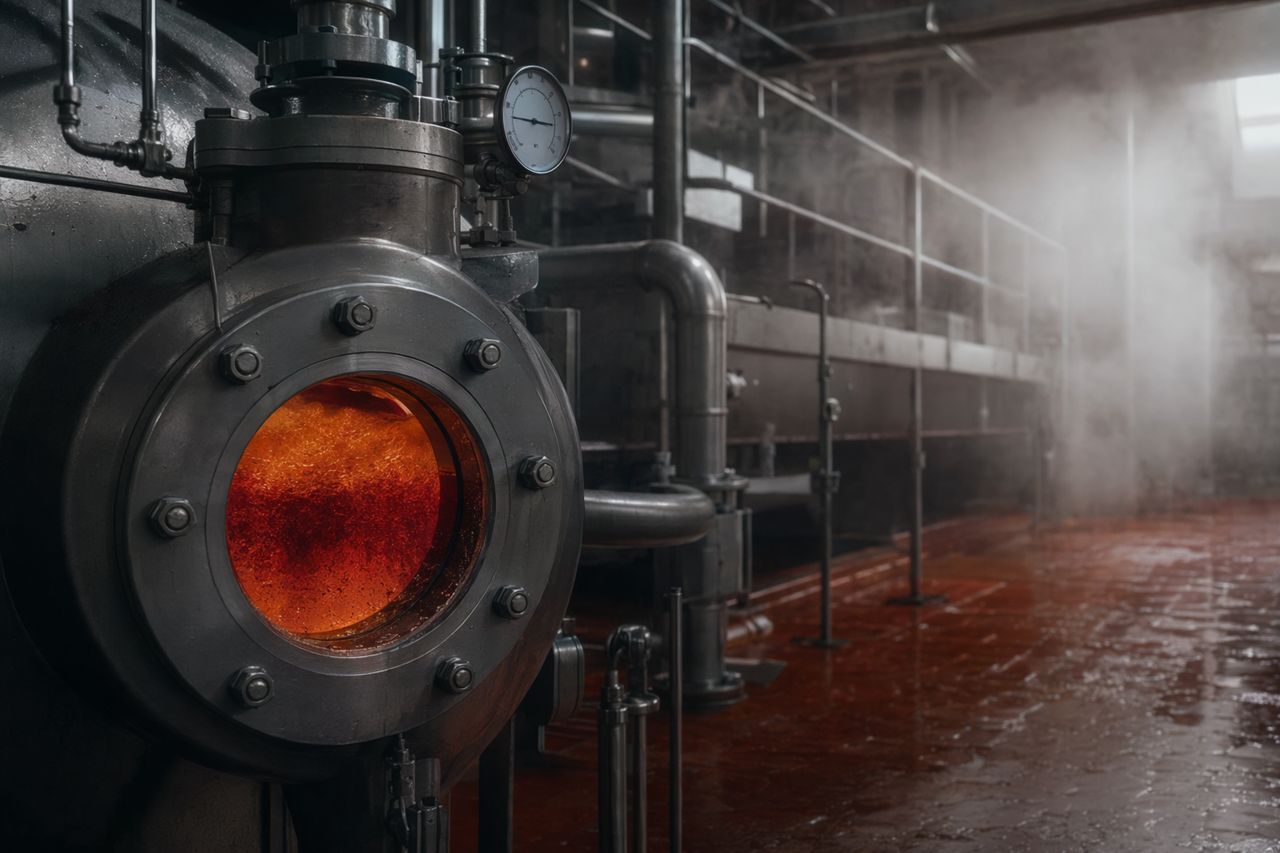
Blood arrives as a reactive raw material. It is warm, protein-dense, variable by collection route, and highly sensitive to time and temperature. Once coagulation starts, the plant has a narrow window to form a manageable curd, separate water efficiently, and dry without damaging the protein fraction.
Common plant-floor problems include:
- Inconsistent coagulation and weak curd formation
- Excess water carried into the dryer
- High viscosity in tanks, pipes, and feed lines
- Foaming, fouling, and uneven heat transfer
- Scorching or darkening during aggressive drying
- Odor spikes from delayed handling or overloaded cookers
- Variable final meal texture, color, and nutritional performance
- Recovery losses in stickwater, sludge, or poorly separated fractions
Each problem usually connects to one of three pressure points: coagulation control, water removal, or protein quality preservation.
Challenge 1: Coagulation control
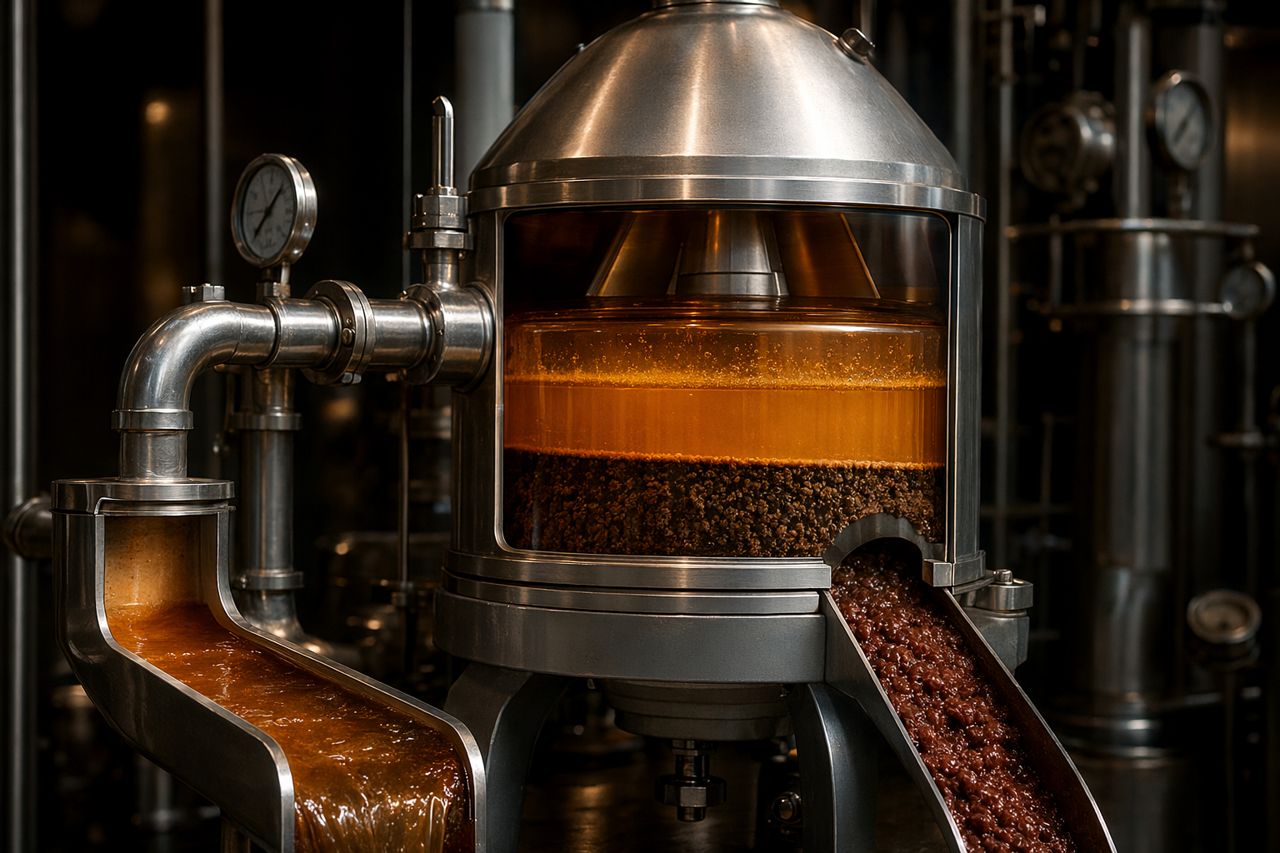
Coagulation is the front gate for blood meal quality. If blood is under-coagulated, fines and soluble protein can escape into the liquid phase. If it is overdriven, the plant can create dense, rubbery solids that resist dewatering and increase dryer demand.
What operators see
- Sloppy curd that will not separate cleanly
- Sticky material on screens, decanters, and transfer points
- Protein loss into centrate or wastewater load
- Variable feed consistency into dryers
- More washdown and more downtime around fouled equipment
What usually drives it
Blood quality changes with collection time, temperature, dilution, anticoagulant carryover, and storage conditions. Once the stream reaches the plant, the coagulation step must handle that variation without turning every shift into manual correction.
A stable process should deliver a curd that separates cleanly, moves predictably, and does not overload thermal equipment downstream.
Challenge 2: Drying load and water removal
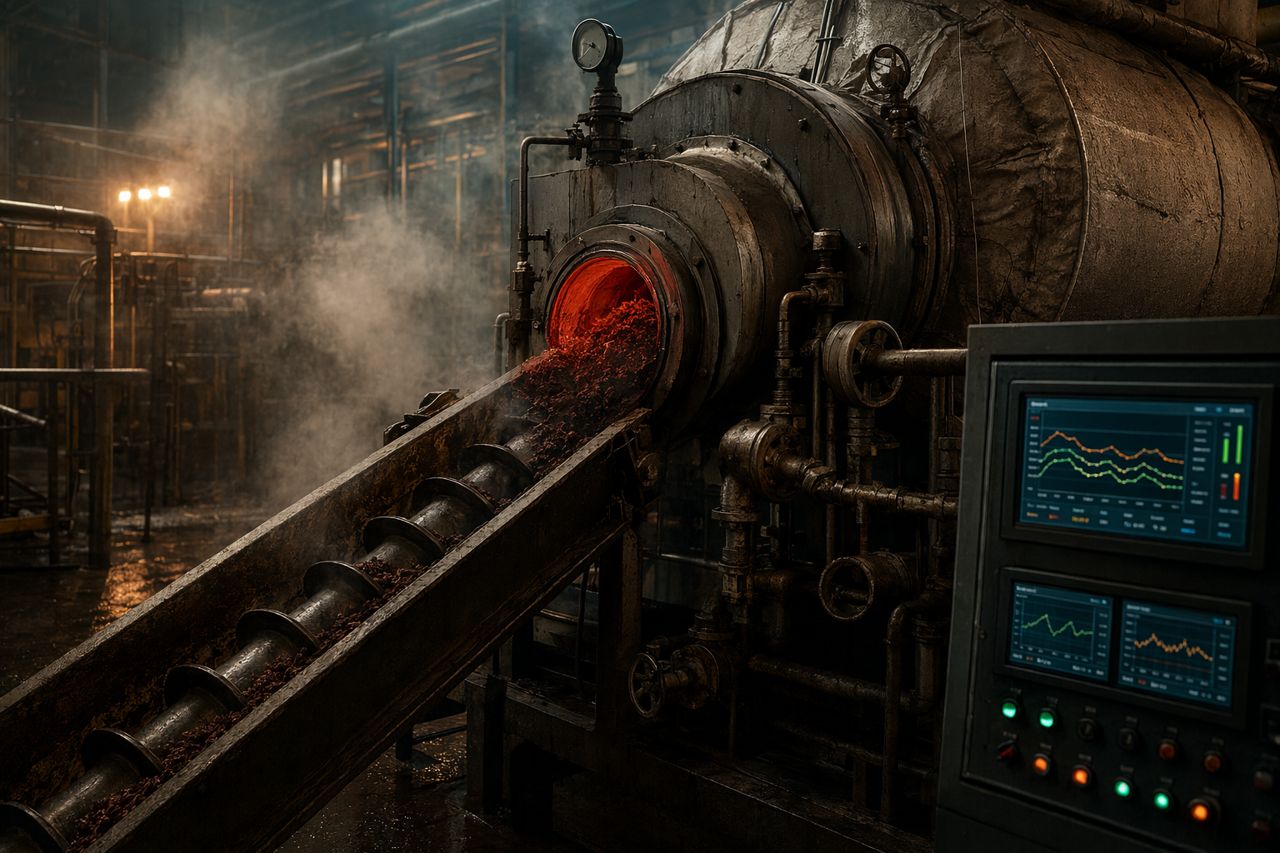
Drying blood is expensive because water is expensive to remove thermally. Every extra point of moisture entering the dryer puts pressure on steam demand, residence time, dryer loading, odor control, and product color.
What operators see
- Dryer bottlenecks during high-volume runs
- Longer residence time to reach target moisture
- Higher risk of dark product or heat damage
- Condensate and odor systems running harder
- Reduced throughput when feed moisture swings
The operating target
The target is not maximum heat. The target is cleaner water removal before the dryer, steadier feed solids, and less thermal abuse of protein.
Where hydrolysis is used in the rendering flow, enzyme selection and process control can support lower viscosity and more consistent transfer characteristics. That can make upstream handling and downstream separation easier when the formulation is matched to the plant’s time, temperature, pH, and equipment constraints.
Challenge 3: Protein quality under heat stress
Blood meal value depends heavily on protein quality. Excessive heat, long hold times, and poor moisture control can reduce digestibility and create darker, less consistent meal.
Risk points for protein quality
- Long delay between collection and processing
- Uneven coagulation
- Overloaded dryers
- Hot spots in cookers or dryers
- Rework loops that expose protein to repeated heat
- Inconsistent final moisture and particle structure
A plant can hit a moisture target and still lose value if the protein has been over-processed. For that reason, blood meal optimization should be treated as a full process issue, not only a dryer issue.
Where controlled hydrolysis can help
Rendara supports rendering plants that use controlled enzymatic hydrolysis to improve how protein-rich streams behave before final drying or separation.
In blood-related process areas, the objective is practical: make the stream easier to move, easier to control, and easier to separate without creating new instability.
Potential operational benefits include:
- Reduced viscosity in selected protein streams
- Improved pumpability through tanks, lines, and exchangers
- Cleaner solids-liquid behavior when the process is properly matched
- Better control of hydrolysate consistency
- Reduced fouling pressure in transfer and heating areas
- More stable feed characteristics into downstream equipment
- Improved recovery of usable protein fractions
Enzymes are not a replacement for proper coagulation, heat control, or dryer discipline. They are a process tool. The right program depends on the blood stream, the intended product, plant layout, residence time, and the temperature window available.
A practical troubleshooting map
If the curd is weak or fines are high
Check raw blood age, dilution, preheat profile, coagulation temperature stability, and separation loading. If a hydrolysis step is part of the process, confirm that the reaction is not being allowed to run outside the intended window.
If the dryer is the bottleneck
Look upstream first. Measure how much water is being mechanically removed before thermal drying, how stable the feed is, and whether viscosity is limiting pumping or separation. Dryer overload often begins before the dryer.
If odor load is rising
Review collection timing, tank residence, heat-up delays, and overloaded wet-end equipment. Odor control becomes harder when protein-rich streams sit warm, thicken, or cycle through slow transfer steps.
If product color is drifting darker
Look for excessive residence time, uneven heat transfer, dryer hot spots, and moisture swings. A darker product is often the visible result of a process that is compensating for poor upstream control with more heat.
If protein recovery is inconsistent
Track where solids and soluble protein are leaving the target product path. Centrate, stickwater, sludge, screen loss, and washdown streams can reveal where separation is not clean.
What Rendara looks at before recommending an enzyme solution
A rendering plant does not need a generic enzyme pitch. It needs a program that fits the equipment already on the floor.
Rendara typically evaluates:
- Raw material source and variability
- Blood handling time and temperature profile
- Coagulation and heating sequence
- Tank volume, residence time, and agitation
- Pumping and transfer constraints
- Separation equipment and pain points
- Dryer loading and moisture variability
- Final meal quality targets
- Cleaning frequency, fouling locations, and downtime triggers
From there, Rendara can recommend an enzyme approach for the hydrolysis section that fits the plant’s operating reality: controlled reaction, predictable handling, and measurable production value.
Better blood meal starts before the dryer
When blood meal quality drifts, the dryer often gets blamed first. But the dryer is usually reacting to what the wet end sends it.
Better coagulation control, cleaner separation, steadier viscosity, and controlled hydrolysis all reduce the amount of correction required later. That means fewer bottlenecks, less avoidable heat damage, improved recovery, and a process that operators can keep inside the target window shift after shift.
Request a quote
If your plant is fighting blood stream viscosity, dryer load, weak separation, odor pressure, or inconsistent blood meal quality, Rendara can help evaluate an enzyme solution for your rendering hydrolysis process.